
Discover the Benefits of ECFanGrid Technology
In the evolving world of HVAC solutions, energy efficiency and reliability are paramount. As someone deeply involved in this industry, I have witnessed firsthand how advancements in fan technology can transform system performance and operational costs. One such innovation that stands out is the ECFan Grid technology. This technology offers a blend of efficiency, control, and durability that meets the demanding needs of commercial and industrial applications.
In this post, I will walk you through the key benefits of ECFanGrid technology, explain how it compares to traditional fan systems, and provide practical insights to help you make informed decisions for your projects.
Understanding ECFanGrid Technology
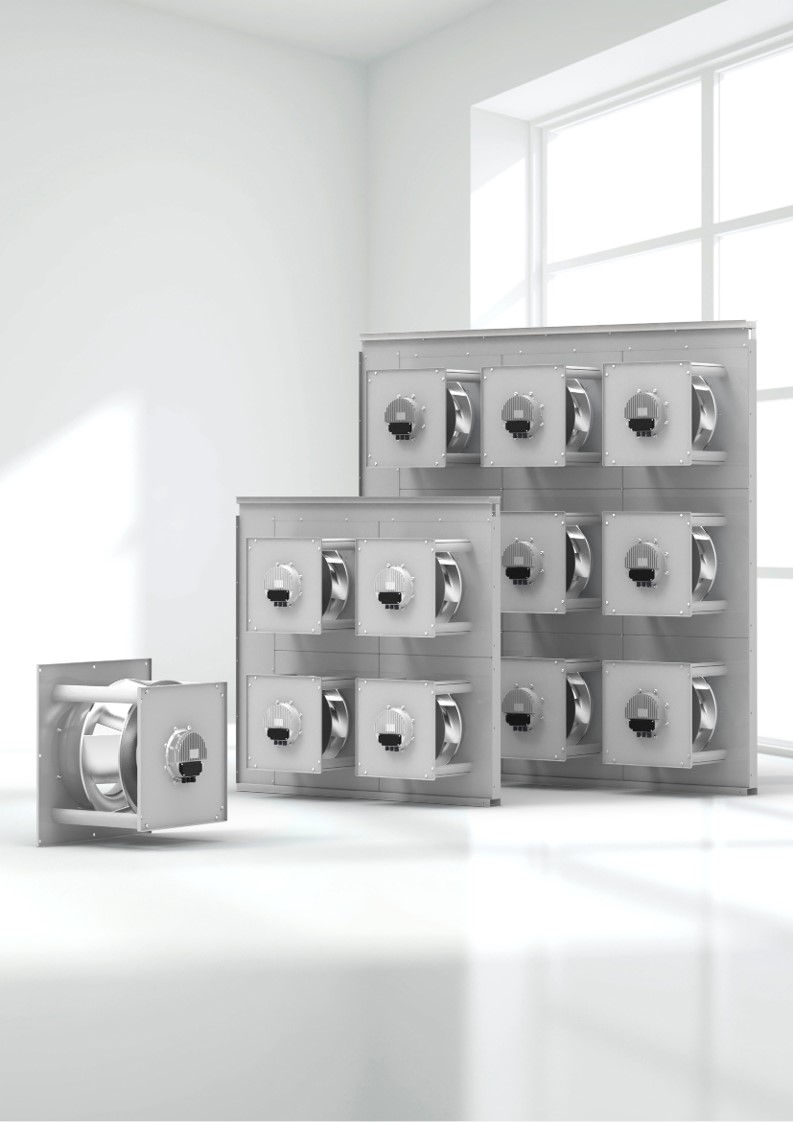
ECFanGrid technology represents a significant step forward in fan drive solutions. It is based on external rotor motor technology, which integrates the motor and fan into a compact, efficient unit. This design reduces mechanical losses and improves overall performance.
One of the main advantages of this technology is its ability to deliver precise airflow control while consuming less energy. This is crucial in commercial buildings where ventilation and air quality must be maintained without excessive power use.
The technology also supports modular configurations, allowing for easy scalability and maintenance. This flexibility means you can tailor the system to specific project requirements, whether it’s a small office or a large industrial facility.
Key Benefits of ECFanGrid Technology
When considering fan solutions, several factors come into play: energy efficiency, noise levels, maintenance, and adaptability. ECFan Grid technology excels in all these areas.
Energy Efficiency: The external rotor motor design minimizes energy loss. This results in lower electricity consumption compared to traditional AC motors. Over time, this can lead to significant cost savings on energy bills.
Quiet Operation: Noise reduction is essential in commercial environments. ECFanGrid fans operate smoothly with less vibration, reducing noise pollution and creating a more comfortable atmosphere.
Durability and Reliability: The robust construction of these fans ensures long service life, even under demanding conditions. This reliability reduces downtime and maintenance costs.
Advanced Control Options: Integrated electronics allow for precise speed and airflow control. This adaptability helps optimize system performance and respond to changing environmental conditions.
Compact Design: The compact size of ECFanGrid units makes installation easier, especially in tight spaces or retrofit projects.
These benefits align well with the goals of energy-conscious businesses looking to improve HVAC system performance without compromising on quality or reliability.

Which is better AC or EC plug fan?
Choosing between AC and EC plug fans depends on your specific application and priorities. Here’s a straightforward comparison to help clarify the differences:
Energy Consumption: EC plug fans are generally more energy-efficient than AC fans. They use electronically commutated motors that adjust speed based on demand, reducing unnecessary power use.
Control and Flexibility: EC fans offer better control options, including variable speed and integration with building management systems. AC fans typically run at fixed speeds unless paired with external controllers.
Noise Levels: EC fans tend to operate more quietly due to smoother motor operation and reduced vibration.
Initial Cost: AC fans usually have a lower upfront cost. However, the energy savings and reduced maintenance of EC fans often justify the higher initial investment.
Maintenance: EC fans require less maintenance because they have fewer mechanical parts subject to wear.
For projects prioritizing energy efficiency and long-term savings, EC plug fans are often the better choice. However, AC fans may still be suitable for simpler or budget-constrained applications.
Practical Applications and Recommendations
In commercial and industrial settings, the choice of fan technology can impact operational efficiency and occupant comfort. Here are some practical recommendations based on my experience:
Assess Your Building’s Ventilation Needs: Understand the airflow requirements and environmental conditions. This will guide the selection of fan size and control features.
Consider Energy Efficiency Goals: If reducing energy consumption is a priority, investing in ECFanGrid technology can provide measurable benefits.
Plan for Maintenance Access: Choose fan units that are easy to service. The modular design of ECFanGrid fans simplifies maintenance tasks.
Integrate with Building Controls: Utilize the advanced control capabilities of EC fans to optimize performance and respond dynamically to occupancy or weather changes.
Evaluate Noise Requirements: For spaces where noise is a concern, EC fans offer quieter operation, enhancing occupant comfort.
By following these guidelines, you can ensure that your HVAC system delivers reliable performance while supporting sustainability goals.
Looking Ahead: The Future of Fan Technology
The HVAC industry is moving towards smarter, more efficient solutions. Technologies like ECFan Grid are at the forefront of this shift, combining innovation with practical benefits. As energy regulations tighten and sustainability becomes a core business value, adopting advanced fan technologies will be essential.
I encourage you to explore how these solutions can fit into your projects. Sharing your experiences and questions helps us all learn and improve. Together, we can drive the industry forward with smarter, more efficient HVAC systems.
For more detailed information on this technology, you can visit Retrofit Solutions - Rosenberg Ventilatoren GmbH
If you have insights or questions about implementing ECFanGrid technology in your projects, feel free to contribute to the discussion. Your input is valuable in shaping the future of energy-efficient HVAC solutions.
Comments